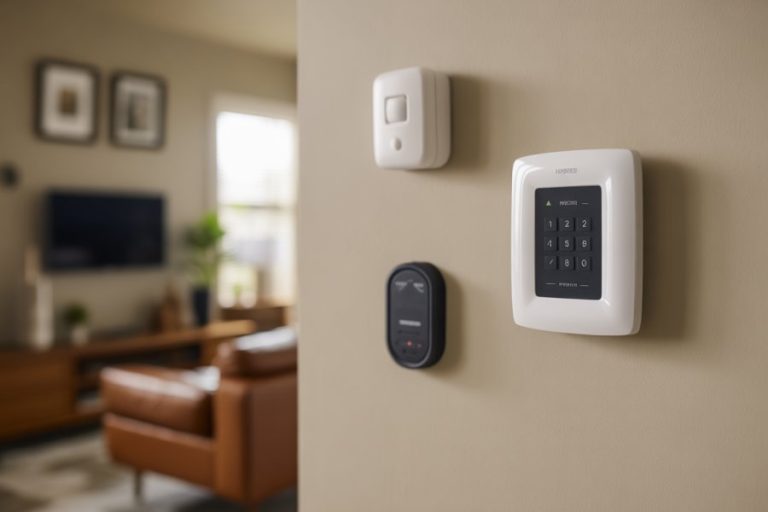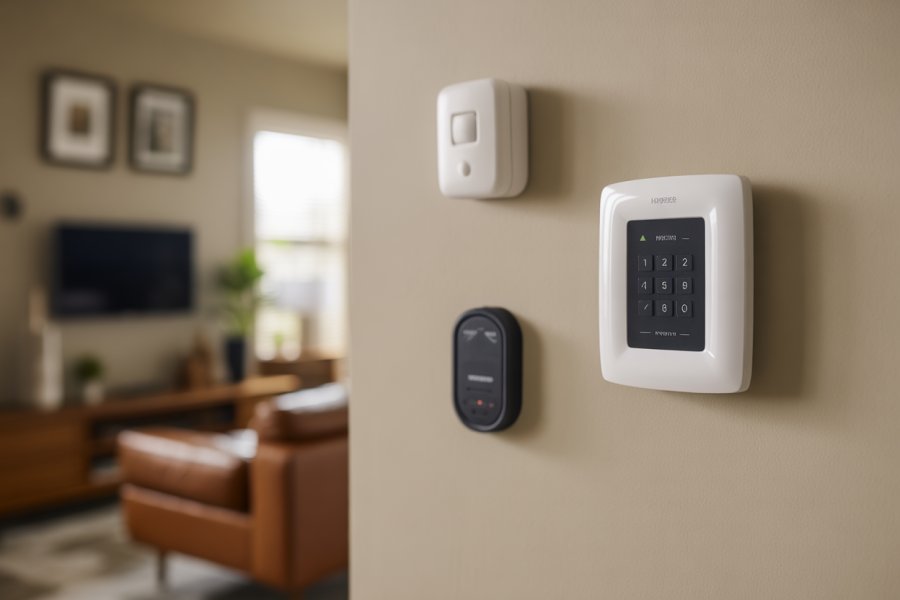
In an era where traditional locks no longer suffice, modern home security intertwines technology and intuition to keep families safe. Imagine controlling your entire security ecosystem remotely—monitoring live footage, granting temporary access, or activating alarms—all from your smartphone. But does convenience come with vulnerabilities? This comprehensive overview explores how integrated systems—cameras, alarms, and access controls—work seamlessly, transforming home safety from reactive to proactive. As the world grows unpredictable, can these intelligent solutions truly anticipate threats before they happen? The future points toward smarter, interconnected devices powered by AI and IoT, promising enhanced peace of mind but raising questions about privacy and reliability. Implementing these systems thoughtfully, maintaining regular updates, and understanding emerging innovations can turn your home into a resilient fortress. Are you prepared to embrace the next wave of home security, or will you remain vulnerable in the face of evolving risks?
Embrace the Future: The Evolution of Home Security for Modern Families
Home security has evolved significantly from the days of simple locks and basic alarms. Today’s families rely on sophisticated, interconnected technology that allows for remote monitoring and control, making safety more proactive and seamless. Instead of waiting for a threat to happen, homeowners can now keep a watchful eye on their property in real time, whether they’re at work, traveling, or simply running errands. This shift reflects how our busy lifestyles demand smarter solutions that fit into everyday routines, offering peace of mind at all times.
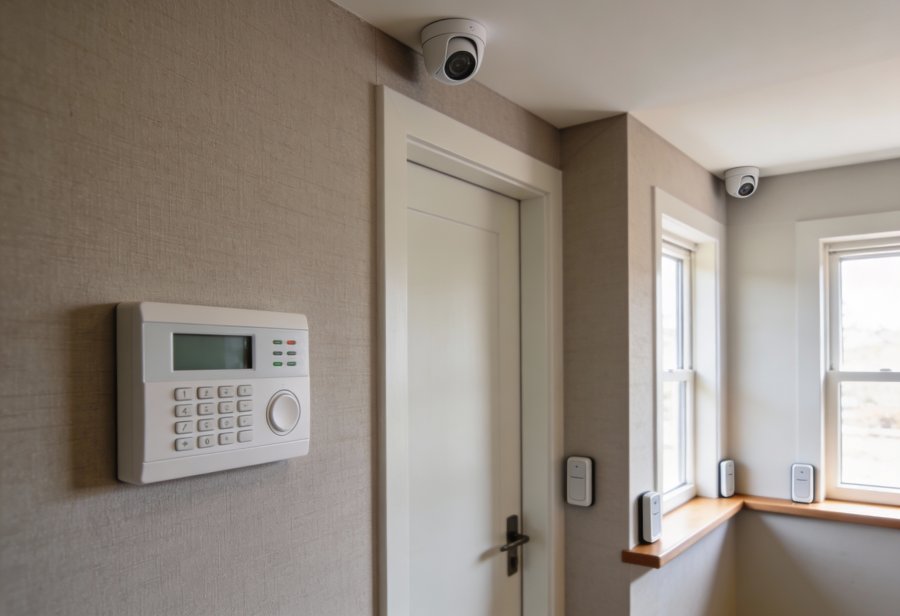
At the core of modern security are devices that communicate effortlessly, creating a layered and integrated system. Cameras with remote viewing capabilities enable homeowners to peek into their homes or yards anytime, providing instant insights and reassurance. These cameras come in various styles, from visible deterrents to discreet indoor models, tailored to different needs. When combined with alarm sensors for doors, windows, and even glass breaks, these tools form a comprehensive network that can alert you immediately if something’s amiss, allowing for quick responses.
Managing access has also changed dramatically. Digital locks, key fobs, and biometric scanners eliminate the need for physical keys, giving homeowners full control over who enters their space—and when. You can grant temporary access to visitors or service providers without handing out keys, all while maintaining detailed logs of entries and exits. When integrated with other smart devices, these access controls can automatically unlock doors, turn on lights, or activate cameras, streamlining routines and strengthening security.
This interconnected approach is designed for ease and adaptability. From managing routines like arming alarms when leaving to remotely unlocking doors for trusted guests, these systems offer a level of control that was unimaginable a decade ago. The ability to set customized routines and receive instant alerts transforms home security from a reactive measure into a proactive safeguard, helping families stay ahead of potential threats.
As technology advances, the focus remains on turning home security into an intuitive, seamless experience. Real-time monitoring, remote control, and intelligent integration make it possible to respond quickly and effectively—no matter where you are. This evolution in security technology ensures that families can protect their loved ones and valuables in unpredictable times, with confidence that their home’s safety is always within reach.
Core Elements Unveiled: Building Blocks of Integrated Home Security Systems
Modern home security systems are built around a few core elements that work together to keep your family safe and your property protected. Cameras are at the center of these setups, offering real-time monitoring and remote viewing capabilities. Whether you choose visible cameras that act as deterrents or discreet indoor and outdoor models for subtle surveillance, their seamless integration allows you to check in from anywhere. With live footage accessible via smartphone or computer, you can quickly verify unusual activity or monitor loved ones’ safety, providing peace of mind no matter where you are.
Alarms serve as a crucial line of defense in any security system. Equipped with sensors for movement, door and window openings, or even glass breaks, these alarms activate instant alerts for homeowners and security monitoring services. This immediate notification system enables quick responses, whether alerting authorities or triggering deterrents like sirens and lights. Customizable alarm zones allow you to tailor coverage to your home’s layout and specific vulnerabilities, creating a layered defense that adapts to your lifestyle.
Access control systems are transforming how households manage entry. Digital locks, key fobs, and biometric scanners replace traditional keys, offering keyless convenience and enhanced security. You can grant or revoke temporary access remotely, set time-limited permissions, and keep detailed logs of entries and exits. When integrated with other smart devices, these controls can automatically unlock doors upon your arrival or turn on lights when someone enters, streamlining daily routines while boosting security.
In Experience the Future of Home Security with Smart, Connected Systems, Ki Wood examines this topic further on Kaslo Crier.
These components don’t operate in isolation; they are designed to communicate seamlessly, forming a unified, flexible system. Integration allows for routines that enhance safety—arming alarms when leaving, unlocking doors for trusted visitors, or turning on exterior lights—all managed easily from a single app. This interconnected approach ensures your security setup is adaptable and reliable, providing continuous oversight with minimal effort.
Combining cameras, alarms, and access controls creates a comprehensive overview of your home’s safety status. Each element complements the others, offering multiple lines of defense that respond instantly to threats. Whether verifying live footage, receiving alerts, or controlling access remotely, this synergy makes your security environment more reliable, intuitive, and tailored to your household’s needs.
Understanding these core elements helps you appreciate how modern security delivers proactive protection. They empower you to monitor, respond, and manage your home’s safety from anywhere—making safety more straightforward and effective. As these technologies continue to evolve and integrate with smart home systems, your ability to safeguard loved ones becomes even more seamless and dependable.
Secure Your Markham Home with F.I.S.T Security’s Expert Services
F.I.S.T Security is a trusted Canadian-owned and operated business based in Markham, Ontario, specializing in comprehensive security solutions and home automation. Renowned for our reputation and dedication, we go the extra mile with every service, ensuring your safety and convenience. Our main offerings include intruder detection, card access systems, CCTV surveillance, intercoms, alarm monitoring, remote video monitoring, lighting control, and environmental management. Whether you need to enhance your residential security or automate your home, F.I.S.T Security provides tailored solutions that meet your unique needs. Contact us today at 416.755.4233 or via email at [email protected] to learn more about how we can secure and upgrade your Markham home with our reliable and professional services.
Smart Safety at Your Fingertips: How Remote Control Transforms Family Security
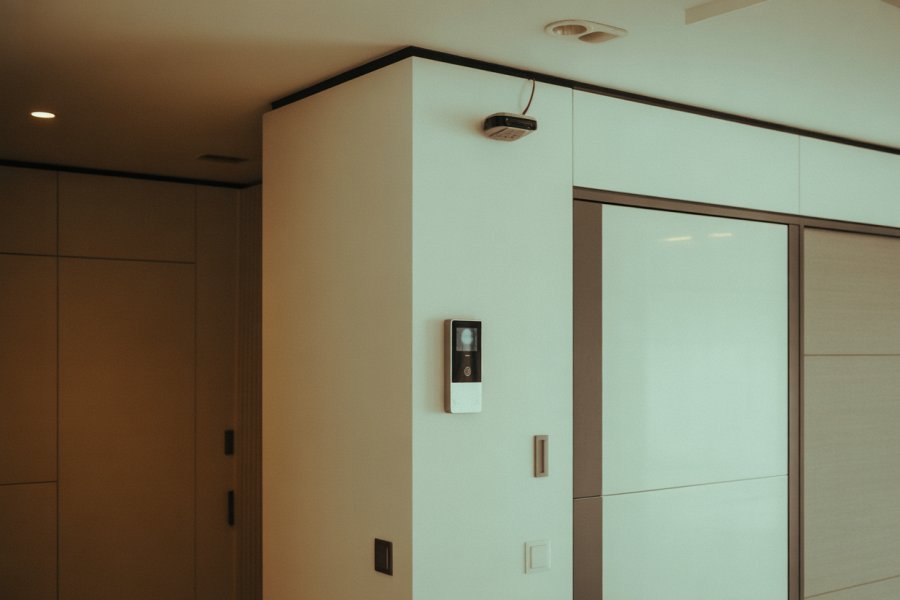
Remote-controlled security solutions have fundamentally changed how families manage safety, offering unmatched convenience and rapid response capabilities. With just a tap on your smartphone, you can access live footage from your security cameras, giving you instant insight into your home no matter where you are. This real-time visibility allows you to spot unusual activity early, empowering you to act before a situation escalates and potentially preventing damage or theft.
Beyond monitoring, the ability to control your system remotely means you can lock doors, activate alarms, or turn on outdoor lights instantly if something feels off. This quick access helps deter intruders and stops threats in their tracks, often before they can cause harm. Acting swiftly from your device turns your home into a dynamic space of prevention, giving you a sense of control that’s crucial in unpredictable situations.
The convenience of managing your security remotely also fits seamlessly into busy lifestyles. Whether you’re leaving for work, running errands, or traveling abroad, arming or disarming your system is effortless. You can grant temporary access to guests or service providers without handing out physical keys, all while maintaining a detailed record of who entered and when. This flexibility simplifies daily routines and enhances overall safety, reducing the risk of forgotten alarms or missed alerts.
Real-time alerts elevate this system further. Modern security setups notify you immediately if a door opens unexpectedly, motion is detected, or a sensor is triggered. These alerts allow you to quickly assess the situation via live footage, helping you decide whether to take action or call for help. This instant verification minimizes false alarms and unnecessary worries, making your security both smarter and more reliable.
However, relying solely on remote control comes with challenges. Technical issues like Wi-Fi outages or hacking attempts can compromise your system’s effectiveness. That’s why integrating professional monitoring services is essential—they provide an extra layer of security by ensuring trained personnel oversee your system and respond swiftly if needed. Combining remote control with expert oversight creates a comprehensive safety net, giving families peace of mind no matter the circumstances.
A complementary discussion can be found in Daphne Douglas‘s article Revolutionizing Home Security with Smart, Connected Solutions on Camille Compassionate Heart.
In the end, remote-controlled security solutions empower families to respond proactively and conveniently. They turn safety into an active process rather than a passive hope, providing the tools to protect loved ones swiftly and effectively. As technology advances, these solutions will become even more intuitive, ensuring that families stay secure amid an increasingly unpredictable world.
Practical Steps to Safeguard: Implementing and Optimizing Your Modern Home Security System
Implementing modern home security begins with a clear plan. Start by identifying your property’s most vulnerable points—main entrances, back doors, windows, and secluded outdoor areas. Knowing where your home is most at risk helps you choose the right combination of devices to cover those critical spots effectively. Consulting with a professional security provider can streamline this process, ensuring your system is tailored to your specific layout and needs.
Once you’ve selected your equipment, focus on installation and setup. Proper placement of cameras is key: outdoor cameras should be positioned to eliminate blind spots around entry points, while indoor cameras can monitor high-traffic areas or sensitive rooms. Sensors and alarms need to be installed at accessible heights where they can reliably detect movement or entry without triggering false alarms. Ensuring all devices are correctly configured to communicate seamlessly lays the foundation for a reliable, integrated system.
Customizing your security settings is the next step. Enable notifications for key events like door openings or motion detection, and test each component to verify they work together smoothly. Regular maintenance—such as firmware updates, checking device placement, and testing sensors—keeps your system functioning optimally. Staying proactive with upkeep ensures your security measures remain effective over time.
Those seeking additional insight may want to read Kira Jenkins‘s article Revolutionizing Home Safety with Smarter Remote Security Systems on Robert of Pickering.
Choosing features aligned with your household’s routine can boost your system’s efficiency. For example, if you often forget to arm your alarm, opt for scheduled routines or automatic arming options. Pet-friendly cameras with specific motion detection settings prevent false alerts caused by furry family members. Whether you prefer professional monitoring or managing alerts yourself, integrating these options creates a flexible, comprehensive safety net.
Device placement deserves special attention. Cameras should cover main entrances and outdoor spaces, avoiding areas prone to glare or obstructions. Sensors need to be positioned at heights where they can accurately detect movement without being easily tampered with. Thoughtful layout and strategic positioning maximize coverage and minimize false alarms, ensuring your system remains dependable and easy to manage.
Regular testing is essential to keep everything in top shape. Schedule routine checks to confirm cameras record properly, sensors respond as expected, and alarms activate reliably. Keep your system’s firmware and apps updated to access new features and security patches. Training household members on system operation ensures everyone can respond promptly during emergencies, making your security setup more resilient.
By following these practical steps, you create a modern, integrated security system tailored to your home. Thoughtful planning, proper installation, and regular maintenance turn technology into a trusted partner in safeguarding your loved ones. With a proactive approach, your home becomes a smarter, safer space—ready to face today’s unpredictable threats with confidence.
Looking Ahead: The Future of Home Security and Innovations on the Horizon
The future of home security is set to become increasingly intelligent and interconnected, driven by rapid advances in technology. Artificial intelligence and machine learning will enable systems to recognize patterns and detect subtle anomalies before they escalate into real threats. Instead of merely reacting to incidents, homes will proactively anticipate potential issues, elevating safety to a new level of prevention. This shift toward predictive security offers families peace of mind, knowing their homes can adapt and respond before problems occur.
The Internet of Things continues to expand, transforming home security into a seamless ecosystem where devices communicate effortlessly. Security cameras, sensors, lights, and locks will work together automatically, creating a coordinated response to emerging risks. For instance, a security alert could trigger outdoor lighting or lock doors without manual input. This interconnectedness simplifies management, reduces human error, and enhances overall effectiveness, making homes smarter and safer with minimal effort from residents.
Emerging innovations like autonomous security drones and robotic patrols are beginning to enter the conversation. These devices could autonomously monitor properties, providing real-time visual assessments and physical deterrence that complement traditional systems. Meanwhile, advancements in data encryption and privacy protections are addressing concerns about increased connectivity, ensuring that personal information remains secure even as homes become more integrated. The goal is to develop solutions that prevent threats proactively while respecting user privacy.
Personalization will play a crucial role in future home security systems. As devices learn household routines and preferences, they will tailor responses accordingly. Recognizing familiar faces and routine activities, these systems will focus alerts on unfamiliar visitors or suspicious behavior, significantly reducing false alarms and increasing reliability. This adaptability will make security more intuitive, less intrusive, and seamlessly integrated into everyday life, providing a customized safety experience for each household.
Looking ahead, home security will evolve from standalone devices into comprehensive, intelligent ecosystems. This transformation will make safety more intuitive, predictive, and user-friendly, helping families stay ahead of unpredictable risks. By weaving security into daily routines and leveraging smart technology, homes will become more responsive and resilient. The combination of innovation and reliability will ensure that families are better protected in an increasingly complex and unpredictable world, offering reassurance and peace of mind for years to come.
About the Author