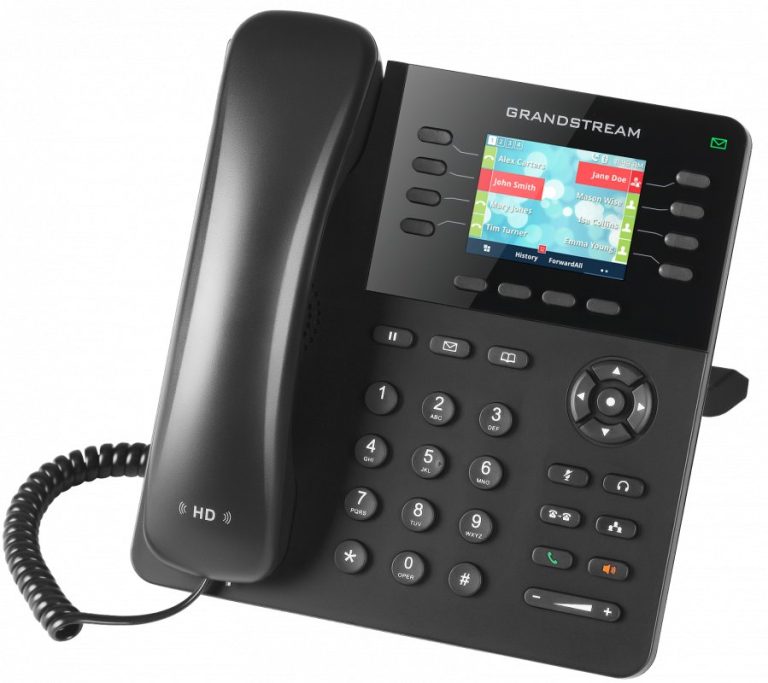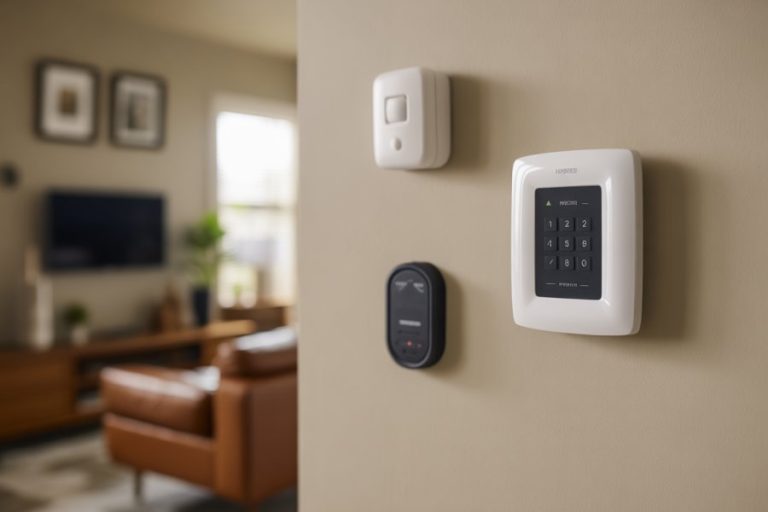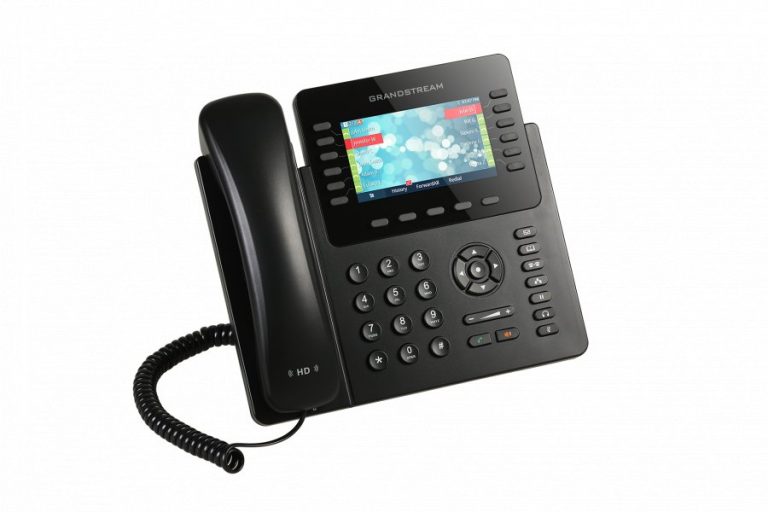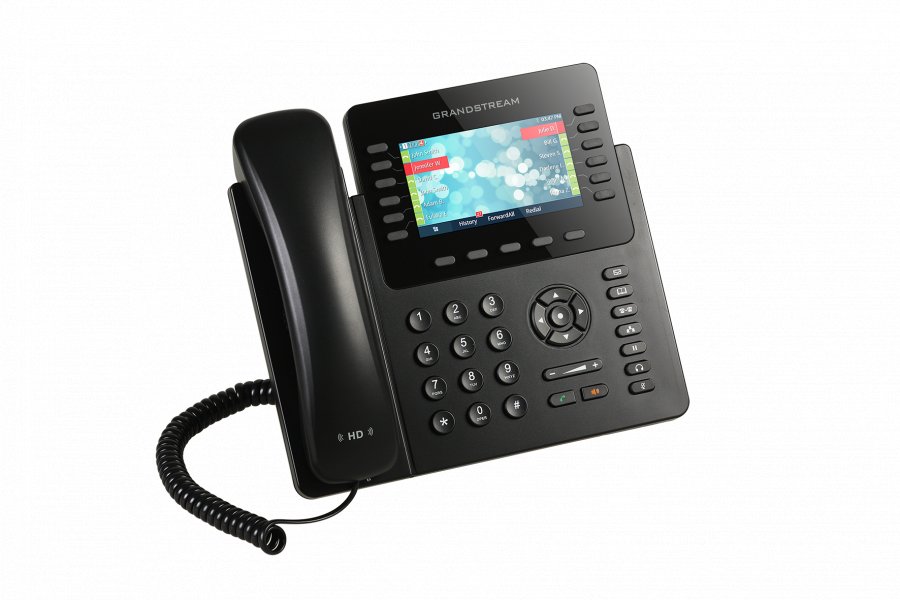
Is reliable communication truly the backbone of business success, or is the evolving landscape of phone technology transforming how companies connect and compete? Modern business phone services go far beyond traditional landlines, offering scalable, cost-effective solutions like VoIP, which integrate features such as video conferencing, auto-attendants, and mobile connectivity. These innovations support remote work, enhance professionalism, and bolster operational resilience. As systems become smarter—incorporating AI, cloud management, and advanced security—organizations can streamline workflows, improve customer experiences, and stay agile amid rapid market changes. Yet, with these advancements come new challenges: safeguarding data, ensuring seamless integration, and adapting to emerging technologies like 5G and virtual collaboration tools. This ongoing evolution prompts a vital question—will future communication platforms continue to empower businesses or introduce new vulnerabilities? As technology advances, the key to sustained success lies in balancing innovation with security, making every connection not just reliable, but strategically transformative.
Discover Top-Tier VoIP & IP Business Phone Solutions with FiberConX
Enhance your business communications with FiberConX Communications, a leading provider of voip phone service in Canada. Specializing in VoIP and IP business phone services, FiberConX offers advanced features such as voicemail, Interactive Voice Response (IVR), Ring Groups, and voicemail-to-mail, ensuring seamless connectivity and efficient call management. Whether you’re looking to streamline your customer interactions or improve internal communication, FiberConX delivers reliable and scalable solutions tailored to your needs. Contact their expert team today at [email protected] or call 1.416.945.9210 to learn more about how their VoIP services can transform your business communication infrastructure.
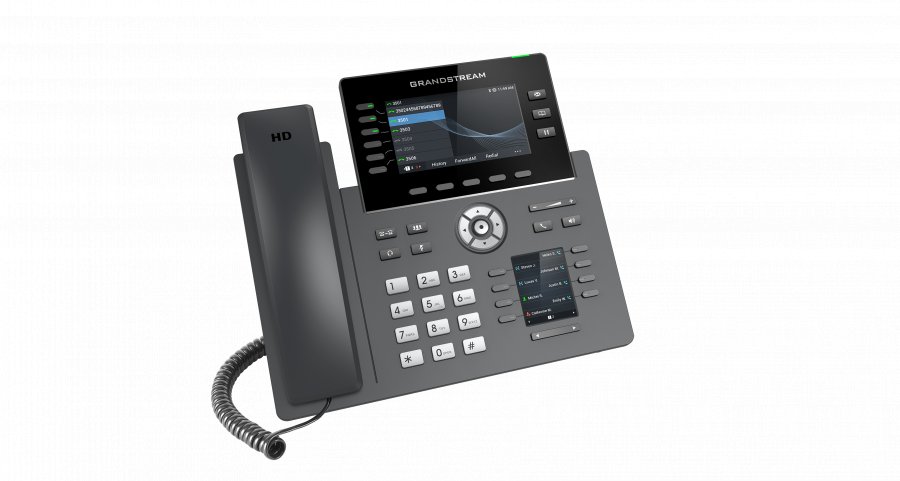
Connecting Success: The Strategic Role of Modern Business Phone Services
In today’s fast-moving business world, staying connected isn’t just a convenience—it’s a vital part of success. Clear, reliable communication channels help companies respond promptly to customer needs, coordinate teams efficiently, and project a professional image that builds trust. When communication breaks down, it can result in missed opportunities, frustrated clients, and lost revenue. That’s why investing in modern business phone services is more than a tech upgrade—it’s a strategic move to stay competitive.
In the past, landline phones were the mainstay of business communication, offering dependable voice quality. But as companies grew and technology advanced, these systems revealed their limitations. They were costly to install and maintain, inflexible for remote or mobile work, and lacked features that help manage customer interactions smoothly. Businesses needed solutions that could keep pace with today’s dynamic environment.
The shift to internet-based systems, especially Voice over Internet Protocol (VoIP), has revolutionized the way companies connect. VoIP transmits calls over the internet, significantly reducing costs—especially for long-distance and international calls—and offering greater scalability. Features like voicemail-to-email, call forwarding, and video conferencing enable teams to stay connected from anywhere, whether they’re in the office, at home, or on the road. This flexibility supports remote work and helps organizations adapt quickly.
Beyond cost savings and flexibility, modern business phone services help shape a professional image. Automated greetings, intelligent call routing, and customizable menus ensure inquiries reach the right person fast, reducing wait times and creating a seamless customer experience. Small businesses, in particular, can project a larger, more organized presence by leveraging these advanced features, boosting credibility with clients and partners alike.
Cloud-based platforms further enhance these benefits by allowing remote management and rapid scaling. Administrators can add or modify lines through simple dashboards, without physical hardware changes. During disruptions, calls can be rerouted instantly, ensuring continuous communication and operational resilience. This agility not only supports growth but also safeguards businesses against unforeseen events.
As communication technology continues to evolve, the core remains clear: reliable, flexible, and professional connectivity is essential for thriving in today’s competitive landscape. Modern business phone services do more than facilitate calls—they enable organizations to work smarter, serve better, and stay ahead in a digital-first world.
From Copper Wires to Cloud: The Evolution of Business Phone Systems
The story of business phone systems is one of constant innovation, shaped by technological advances and shifting organizational needs. For many decades, traditional landlines relied on copper wires and analog signals, providing dependable voice quality but offering little flexibility. They served as the backbone of office communication, yet their high costs, limited scalability, and lack of modern features made them less suitable for growing or dynamic businesses.
The introduction of Voice over Internet Protocol (VoIP) marked a significant turning point. Instead of transmitting calls via dedicated lines, VoIP uses the internet to carry voice data, cutting costs dramatically—especially for long-distance and international calls. This shift also introduced greater flexibility, allowing businesses to add or remove lines easily, support remote working, and integrate video conferencing and other digital tools seamlessly into their communication platforms.
As technology advanced further, cloud-based solutions gained popularity. Cloud telephony enables companies to manage their communication systems remotely through intuitive online dashboards, eliminating the need for costly on-site hardware. This approach simplifies scaling, updates, and maintenance, empowering organizations to adapt quickly to growth or market shifts without major infrastructure investments. It also enhances resilience—calls can be rerouted automatically during outages or disruptions, ensuring continuous connectivity.
The evolution has gone beyond cost savings and scalability. Modern systems now incorporate features like auto-attendants, intelligent call routing, and integration with customer relationship management (CRM) platforms. These tools streamline customer interactions, direct inquiries efficiently, and project a professional image that elevates brand reputation. The move toward smarter, more integrated systems reflects the broader trend of digital transformation, making communication more efficient and customer-centric.
Today’s business phone systems combine voice, video, and messaging into unified platforms designed for speed, security, and flexibility. They support remote work, facilitate real-time collaboration, and help organizations stay agile in competitive markets. As new innovations continue to emerge, this ongoing evolution ensures that business communication remains aligned with the demands of a fast-changing digital landscape.

Today’s Business Communication: Features, Trends, and Transformations
Today’s business phone systems are more advanced and adaptable than ever before, reflecting rapid technological progress and changing workplace needs. Mobile integration is now a cornerstone, enabling employees to stay connected whether in the office, working remotely, or on the move. This mobility has become essential as remote work continues to grow, allowing teams to respond swiftly and maintain productivity across locations.
Cloud-based management tools play a pivotal role, offering scalable solutions that can be tailored to a company’s evolving size and demands. Through user-friendly dashboards, administrators can easily add lines, update features, or troubleshoot issues remotely, eliminating the need for physical hardware changes. This flexibility supports quick growth and reduces downtime, giving organizations a competitive edge in dynamic markets.
Modern systems go beyond basic calling. They incorporate AI-powered analytics, virtual receptionists, and seamless integration with customer relationship management (CRM) platforms. These features streamline workflows, enhance customer interactions, and provide valuable data insights. Call patterns can be monitored, performance metrics tracked, and adjustments made in real time—helping businesses stay agile and responsive.
Security remains a top priority, especially as cyber threats become more sophisticated. Providers embed encryption, multi-factor authentication, and compliance tools into their platforms to protect conversations and sensitive data. Industries with strict regulations, such as healthcare and finance, benefit from these safeguards, ensuring they meet legal standards without sacrificing usability.
The shift from traditional landlines to internet-based platforms isn’t just about cutting costs; it’s about creating resilient, scalable, and professional communication channels. Automated features like smart call routing and customized greetings project a polished image, while integrated video conferencing and messaging support dynamic, real-time collaboration. This convergence makes communication more seamless and efficient.
As these systems continue to evolve, they’re shaping the future of work by supporting remote teams, enhancing customer experiences, and enabling smarter decision-making. With continuous innovations in AI, 5G, and digital integration, today’s business phone systems are more than just tools—they’re strategic assets that help organizations stay competitive and adaptable in an increasingly digital world.
For businesses seeking reliable and scalable communication solutions, exploring options like a voip phone service can be highly beneficial. Such services often offer advanced features, cost savings, and enhanced flexibility that align well with the evolving needs of modern organizations.
Turning Technology into Business Advantage: Practical Benefits of Modern Phone Systems
Modern phone systems do more than just connect calls; they are powerful tools that transform everyday business operations. Features like auto-attendants and call routing streamline how companies handle incoming inquiries, ensuring customers are quickly directed to the right department or team member. This not only reduces wait times but also projects a professional image that builds trust and credibility. When clients reach the appropriate person efficiently, their overall experience improves, leading to higher satisfaction and loyalty.
Cloud-based management offers remarkable flexibility, allowing managers and IT teams to make updates, add lines, or modify features remotely through intuitive dashboards. This ease of control enables rapid adaptation to changing business needs without the costs and delays associated with physical hardware. During emergencies or disruptions, calls can be automatically rerouted to backup lines or mobile devices, maintaining seamless communication and minimizing downtime. Such resilience helps organizations stay operational under unexpected circumstances.
Mobile integration further amplifies the impact of modern phone systems by enabling employees to make and receive calls from smartphones or tablets, regardless of location. This flexibility supports remote work, field operations, and on-the-go responsiveness, ensuring teams stay connected and responsive at all times. As a result, organizations can deliver faster responses, enhance internal collaboration, and maintain productivity outside traditional office environments.
Security features have become a critical part of these systems, especially with the rise of cyber threats. Many providers embed encryption, multi-factor authentication, and compliance tools directly into their platforms. These safeguards protect sensitive conversations and data, enabling industries like healthcare and finance to meet strict regulatory standards while maintaining ease of use. This focus on security reassures clients and partners that their information is safe, fostering trust and compliance.
By leveraging these technological features, businesses see tangible benefits: improved customer service, more efficient workflows, and greater operational resilience. Automated call handling reduces staff workload, freeing up resources for strategic tasks. Real-time data insights and seamless integration with CRM platforms enable more personalized interactions and smarter decision-making. These tools help companies stay agile, competitive, and prepared for future challenges in a rapidly evolving digital landscape.
Shaping the Future: Emerging Trends and Opportunities in Business Communication
The future of business communication is poised to become even more dynamic, driven by innovations like artificial intelligence, 5G connectivity, and integrated digital platforms. AI is already beginning to analyze calls, personalize customer interactions, and automate routine tasks, making interactions smarter and more efficient. As these systems advance, they will provide deeper insights that help teams serve clients better while reducing operational burdens. Meanwhile, the rollout of 5G will enable faster, more reliable mobile connections, supporting seamless remote collaboration and real-time data sharing across distances. This will empower organizations to adapt swiftly to market changes and customer demands.
Security and compliance will remain at the forefront as communication platforms evolve. With increasing reliance on cloud-based systems and integrated tools, safeguarding sensitive information becomes even more critical. Expect ongoing innovations in encryption, biometric authentication, and compliance features that protect conversations and data without complicating user experience. These enhancements will be vital for industries like healthcare and finance, where confidentiality and data integrity are non-negotiable, and will help build trust with customers and partners alike.
The convergence of communication with other digital tools promises a new level of operational agility. Integration with customer relationship management, marketing automation, and analytics platforms will enable more personalized, context-aware interactions. Businesses will gain real-time insights into customer history and preferences during engagements, making every interaction more meaningful. This seamless integration will streamline workflows, improve decision-making, and elevate customer satisfaction, transforming communication platforms into central hubs for strategic business operations.
Looking further ahead, emerging technologies such as augmented reality, virtual reality, and blockchain could redefine collaboration and security. AR and VR may facilitate immersive meetings or remote troubleshooting, while blockchain could enhance transparency and trust in sensitive transactions. Staying adaptable and open to these innovations will give organizations a competitive edge, allowing them to redefine how they connect internally and externally in an increasingly digital landscape.
Despite these promising developments, challenges like integrating new technologies smoothly and maintaining data privacy will require continuous attention. Companies that proactively invest in secure, flexible systems and stay ahead of regulatory changes will be best positioned to harness the full potential of future communication tools. Embracing innovation while safeguarding trust and compliance will be key to turning technological advancements into lasting strategic advantages.
In this evolving environment, organizations that prioritize agility, security, and integration will not only keep pace but also set new standards for connection and collaboration. The ongoing transformation of business communication offers opportunities to improve efficiency, deepen customer relationships, and foster resilience. By embracing these trends today, businesses can confidently navigate tomorrow’s digital world, turning innovation into a foundation for sustained success.
About the Author