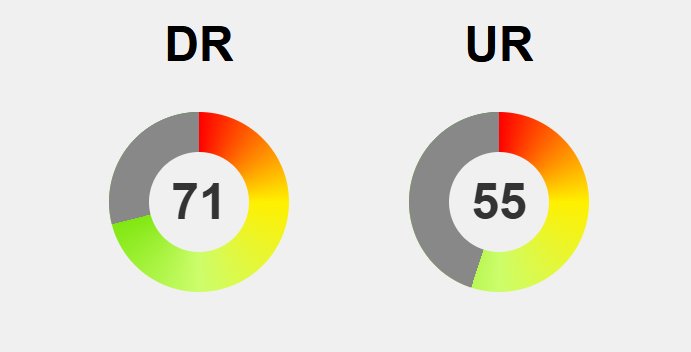
Noticing a sudden drop in your Domain Rating (DR) can be alarming, but is it a penalty or a recalibration? Following Ahrefs’ major algorithm update, many websites experienced sharp DR fluctuations—some declined significantly—yet these changes reflect a more accurate assessment of backlink quality and relevance. This recalibration emphasizes the importance of high-quality, niche-relevant backlinks over sheer quantity, aligning with Google’s focus on trust and authority. Fluctuations aren’t just setbacks—they’re signals guiding you to audit and strengthen your backlink profile. Real-world examples reveal how strategic actions like reclaiming lost high-quality links or creating shareable content can turn dips into opportunities for growth. Are you ready to leverage these shifts to build a more resilient, authoritative site? This update underscores that authentic, relevant backlinks are the true drivers of sustainable SEO success, demanding ongoing effort and strategic awareness in an ever-evolving landscape.
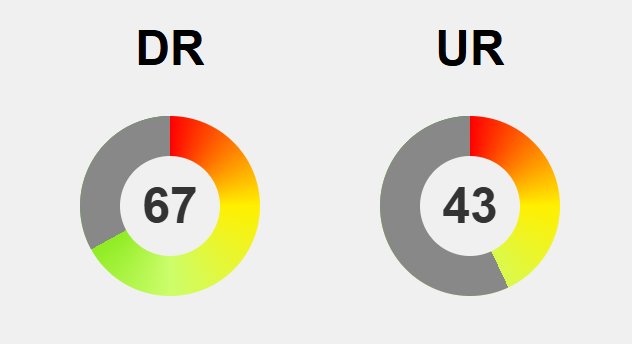
Decoding Domain Rating and the Recent Ahrefs Update
Understanding your website’s authority starts with a look at Domain Rating (DR), a metric created by tools like Ahrefs to quickly gauge how strong your backlink profile is compared to competitors. DR is calculated based on the quantity and quality of backlinks pointing to your site, offering a snapshot of your potential influence in search results. A higher DR signals to search engines and users alike that your site has earned a level of trust and authority, but it’s important to remember that DR isn’t a direct ranking factor. Instead, it serves as a helpful comparison tool within your industry or niche.
Recently, Ahrefs introduced a significant update to their DR calculation, aiming to make the metric more accurate and reflective of current backlink profiles. This recalibration isn’t about penalizing websites; rather, it’s about refining how trust, relevance, and link strength are measured using fresh backlink data. By adjusting their algorithm, Ahrefs seeks to give SEO professionals a clearer picture of true online authority, allowing for better interpretation of scores and more strategic planning.
This update has caused noticeable shifts in DR scores across many sites. Some experienced sharp declines, while others saw improvements—trends that can seem confusing at first glance. The key lies in understanding that these changes are mainly due to a process called recalibration. The new model assesses backlink quality more precisely, meaning that some sites previously overestimated in authority might see their scores decrease, while genuinely high-quality backlink profiles could get a boost. It’s a move toward a more honest measurement system, not a penalty.
For SEO professionals, recognizing the difference between recalibration and penalties is crucial. A sudden drop in DR doesn’t automatically mean your site has lost trust or authority. Instead, it often indicates that the new algorithm is re-evaluating your backlink profile with greater accuracy. If your backlinks haven’t changed much, a lower score might just be a reflection of a more truthful assessment. Conversely, if you’ve lost valuable links, that decline highlights areas that need attention and strategic improvement.
Understanding these shifts is vital because DR remains a relative metric—it compares your site to others in your industry. When competitors improve their backlink profiles, your score can fall even if your own profile stays stable. This underscores the importance of ongoing backlink audits and focusing on quality, relevant links rather than reacting solely to the numbers. Staying proactive helps ensure your site’s authority remains strong and resilient amid these updates.
How the DR Update Reshapes Website Authority Metrics
The recent update to Ahrefs’ Domain Rating calculation has caused noticeable shifts in how websites are scored. Many site owners have experienced sudden drops in DR, sometimes by significant margins. At first glance, this can seem alarming, but understanding the nature of these changes clarifies that they are primarily due to recalibration, not penalties. The new algorithm reevaluates backlink quality and relevance more precisely, leading to more accurate scores that better reflect current backlink profiles.
Interpreting these drops correctly is key. A sharp decline in DR doesn’t necessarily mean your site has lost trust or authority. Instead, it indicates that the new system is re-assessing your backlink profile with greater accuracy. If your backlinks haven’t changed much, a lower score likely reflects a more honest, trustworthy evaluation rather than a decline in your actual authority. Conversely, if you’ve lost high-quality links, the decrease signals areas where your profile needs attention.
This update also impacts how we view competitors’ scores. Since DR is a relative metric, improvements or declines among your rivals can influence your position, even if your backlink profile remains stable. If a competitor gains stronger backlinks, your score might fall relative to theirs, emphasizing the importance of ongoing backlink audits and continuous improvement. It’s a reminder that these fluctuations are part of the evolving landscape, not necessarily a sign of decline.
The distinction between recalibration and penalties is crucial. Recalibration aims to provide a more truthful snapshot of your site’s authority, based on current, high-quality data. Penalties, on the other hand, are deliberate actions taken against spammy or manipulative tactics. Recognizing that a DR drop is often just a recalibration helps prevent knee-jerk reactions, allowing you to focus on strengthening your backlink profile through genuine, relevant links.
In essence, these changes encourage a more nuanced approach to SEO. Instead of chasing numbers, it’s about building a resilient, trustworthy backlink profile grounded in quality. Fluctuations should be viewed as opportunities to identify weaknesses, disavow harmful links, and pursue high-value connections. This shift towards accuracy benefits everyone, fostering a healthier, more transparent SEO environment where real authority is rewarded with sustainable growth.
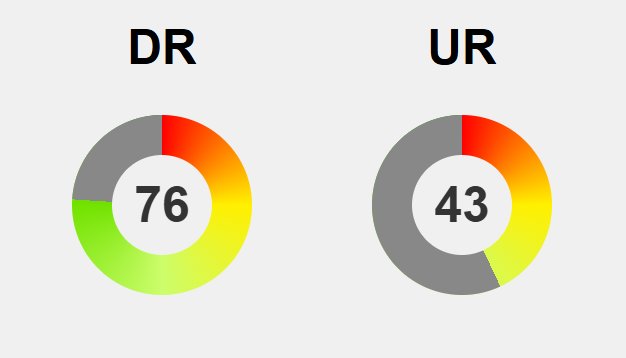
Turning DR Fluctuations into SEO Opportunities
When your Domain Rating starts to fluctuate, especially after a major update like Ahrefs’ recent recalibration, it’s tempting to see these changes as setbacks. But in reality, they’re valuable signals that can guide your SEO strategy. Instead of reacting emotionally, view these shifts as opportunities to refine your backlink profile and strengthen your overall authority. Begin by analyzing which links have been lost or gained, paying close attention to their relevance and quality. A sudden drop might indicate that high-authority links have been devalued or removed, highlighting areas where your profile needs attention. Conversely, an increase in DR suggests your recent outreach or content efforts are paying off, giving you a confidence boost to double down on those strategies.
Use these fluctuations as a prompt to prioritize quality over quantity. If your DR dips due to lost high-quality backlinks, focus on earning new links from reputable, niche-relevant sites. Building relationships with authoritative sources within your industry helps reinforce your site’s credibility and ensures your backlink profile remains resilient. When you notice your DR rising after acquiring strong backlinks, continue creating valuable content and fostering industry connections to sustain that momentum. These changes are not just numbers; they reflect the real-time health of your backlink ecosystem.
Regular monitoring of your backlink profile is key. Keep an eye on referring domains, their authority, and the nature of the links they pass. If you see a decline, investigate whether it’s due to spammy links, lost high-quality references, or shifts in domain authority. Disavowing harmful links and actively seeking high-impact opportunities can help stabilize and improve your profile. Each fluctuation offers a chance to identify weak spots and act decisively, turning setbacks into stepping stones for growth.
Viewing DR changes as feedback rather than failures shifts your mindset towards continuous improvement. If your score drops, it’s an invitation to audit, disavow low-quality links, and pursue genuine, relevant backlinks. If it rises, leverage that success by producing more authoritative content and expanding your outreach efforts. This proactive approach ensures your backlink profile isn’t just reacting to updates but actively evolving to meet the standards of search engine trust and relevance.
Building a resilient backlink profile demands consistency and strategic planning. Fluctuations highlight the importance of ongoing efforts—creating shareable, high-quality content and nurturing relationships with reputable sites. This not only helps recover from dips but also lays a foundation for sustained growth. Focus on earning links naturally through valuable content, which signals trustworthiness to search engines and reduces reliance on manipulative tactics. Over time, this approach creates a stable, credible authority that withstands future algorithm shifts.
Diversification plays a crucial role in managing DR fluctuations. Relying heavily on a handful of sources makes your profile vulnerable to sudden changes. Broadening your outreach to include multiple authoritative sites within your niche creates a more balanced backlink ecosystem. A diverse profile not only cushions against future updates but also demonstrates widespread recognition of your authority, making your site more resilient in the long run.
Remember, each fluctuation is an opportunity to refine your SEO efforts. Whether reclaiming lost links or capitalizing on new ones, every change provides insight into what’s working and what’s not. Stay proactive by tracking your backlinks regularly, disavowing spam, and pursuing high-value targets. With a strategic mindset, you can turn these shifts into catalysts for a stronger, more trustworthy online presence that supports sustained growth over time.
If you experience a drastic drop in DR, it’s crucial to understand the underlying causes and adapt your strategies accordingly. Staying informed about recent updates, such as the latest insights on DR fluctuations, can help you respond more effectively. For a detailed explanation of what a drastic drop in DR might mean and how to address it, you can review this comprehensive overview: drastic drop in DR.
Building a Resilient Backlink Profile for Long-Term Growth
Building sustainable backlink growth depends on authenticity, relevance, and high quality. Links from reputable, industry-specific sites serve as clear signals to search engines that your content is trustworthy and valuable. These genuine endorsements strengthen your site’s authority over time, creating a durable foundation for long-term SEO success. Instead of chasing sheer quantity, focus on earning backlinks that come from relevant sources within your niche, ensuring your profile reflects real expertise and authority.
Relevance is crucial because backlinks from related industries or topics carry more weight and appear more natural to search engines. When your backlinks originate from sites within your field, they act as organic endorsements, reinforcing your credibility and topical authority. Pursuing irrelevant or spammy links may inflate your numbers temporarily but can dilute your profile’s trustworthiness and even trigger penalties. Prioritizing relationships with high-authority, niche-relevant sites builds a solid, trustworthy backlink ecosystem that withstands algorithm shifts.
High-quality backlinks are earned through effort, valuable content, and authentic relationships. Creating compelling, shareable resources naturally attracts links from reputable sources, establishing your site as an authority. Building connections with industry influencers and thought leaders often results in meaningful backlinks that endure over time. Avoid shortcuts like buying links or using manipulative tactics, as these can damage your reputation and lead to penalties, undermining your long-term growth.
Managing your backlink profile is an ongoing process. Regular audits help identify and disavow spammy or low-quality links that could harm your authority. Diversifying your backlink sources reduces reliance on a few sites and makes your profile more resilient against future updates. This approach fosters a natural, credible link network that signals genuine industry recognition. Consistently pursuing relevant, high-quality links lays the groundwork for sustainable growth and long-term authority.
Authenticity and relevance transform backlink building from a short-term tactic into a core part of your SEO strategy. Focusing on earning links from relevant, trustworthy sources aligns with Google’s emphasis on trust, expertise, and authority. This mindset ensures your backlink profile isn’t just strong in the short run but continues to grow and reinforce your site’s reputation over time, creating a resilient foundation that withstands the ever-evolving SEO landscape.
Real-World Examples: Navigating and Harnessing DR Changes
Understanding how fluctuations in Domain Rating impact real SEO results goes beyond just watching the numbers change. For example, a small e-commerce site noticed a sudden DR drop after the recent Ahrefs update. Instead of panicking, they examined their backlink profile and discovered they had lost several high-authority links from industry blogs. By reaching out to those sites and creating new, relevant content, they managed to rebuild their link profile. Over the following months, their DR gradually increased, leading to higher search rankings and more organic traffic. This shows that responsive, strategic actions can turn a dip into an opportunity for growth.
On the flip side, some websites see DR spikes after gaining backlinks from niche-relevant sources. Recognizing these as positive signals, they double down on outreach, produce more valuable content, and build relationships with authoritative sites. These efforts often result in sustained authority growth, reinforcing the idea that DR fluctuations can be leveraged rather than feared. Monitoring these changes helps identify what’s working and guides future strategies.
Real-time tracking of your DR allows you to catch shifts early. If you notice a sudden decline, it could indicate lost high-quality links or an influx of spammy backlinks. Addressing these issues quickly—disavowing harmful links or pursuing new, relevant ones—can help stabilize and improve your authority. Conversely, a rise in DR suggests your recent efforts are paying off, providing motivation to continue your current approach.
For instance, a niche B2B provider experienced a DR dip after the update. They conducted a backlink audit, identified valuable links that had been lost, and launched targeted outreach campaigns. Creating content specifically designed to attract similar high-quality backlinks helped them recover and even surpass previous DR levels. This translated into better rankings and increased credibility in their industry.
Meanwhile, a content publisher that saw their DR climb after acquiring backlinks from authoritative industry sites recognized the importance of maintaining that momentum. They intensified their outreach, produced authoritative resources, and guest posts, which helped sustain and enhance their authority. These examples underscore that understanding and responding to DR shifts isn’t just about fixing problems—it’s about actively shaping your SEO trajectory.
By viewing DR fluctuations as signals rather than setbacks, you can refine your backlink strategy continuously. Reclaiming lost links, capitalizing on new opportunities, and creating valuable content all become part of a cycle of ongoing improvement. Each shift offers insights into your backlink health and guides smarter, more targeted efforts.
In the end, these real-world examples demonstrate that flexibility and strategic response turn DR changes into powerful tools for SEO success. Instead of reacting emotionally to dips or boosts, use them as a roadmap for building a more resilient, authoritative site. With consistent effort and a keen eye on these signals, you can transform fluctuations into long-term advantages, ensuring your SEO efforts support sustained growth and credibility.
About the Author