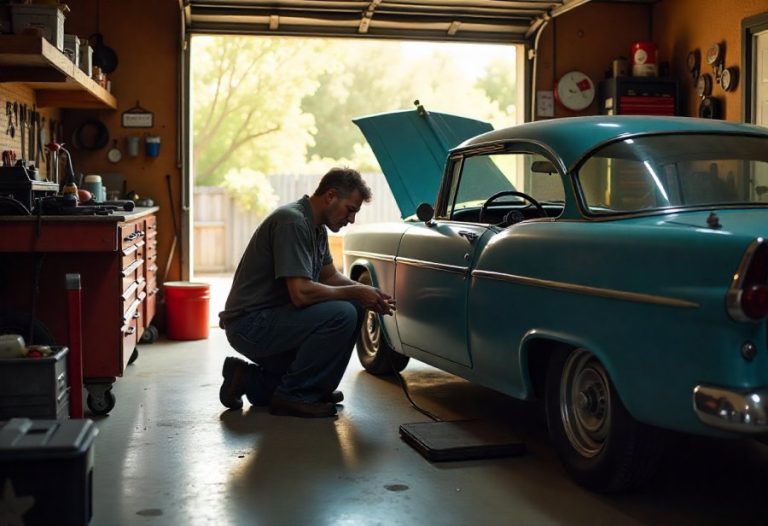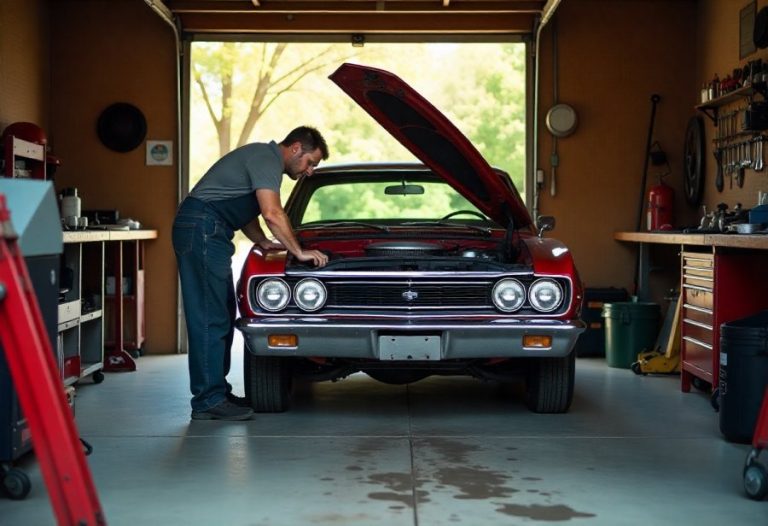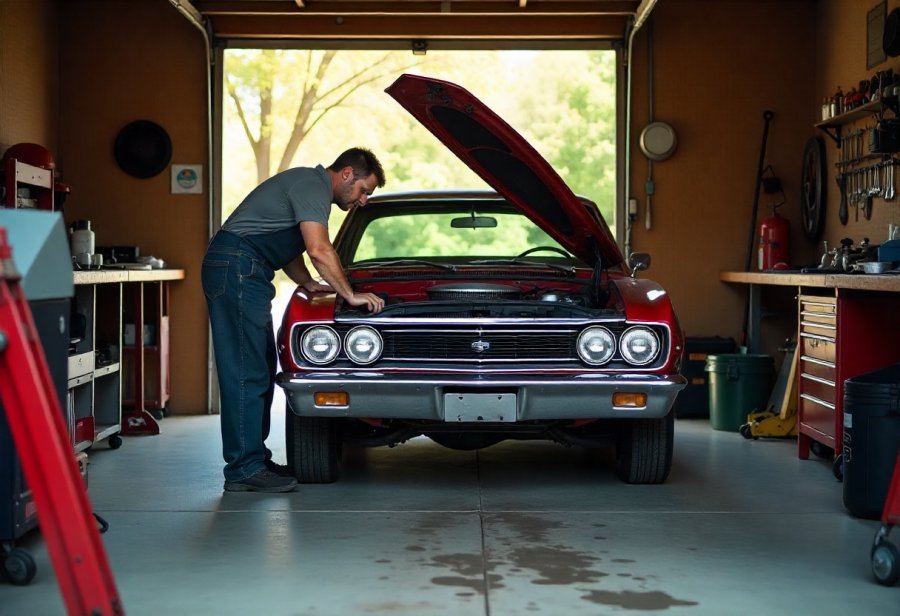
Deciding between a small, family-run garage and a large cross-country chain can significantly impact your vehicle’s long-term health. Small garages often foster close, personal relationships and provide tailored, community-trusted service, making them ideal for routine maintenance and older cars. However, their limited access to advanced diagnostic technology may hamper the care of modern, complex systems. Conversely, large chains offer consistency, cutting-edge equipment, and nationwide warranties, but can sometimes sacrifice personalized attention for efficiency. Which approach best supports your car’s longevity depends on your vehicle’s age, complexity, and your priorities—trust and familiarity or technological reliability and coverage. As the industry evolves, both small and big garages are adopting new technologies and transparent practices, enhancing quality and customer confidence. Ultimately, choosing a mechanic who combines expertise, honesty, and genuine care can make all the difference in maintaining your vehicle’s health for the miles ahead.

Deciding Where to Service Your Car: The Long-Term Benefits of Small vs. Large Garages
Deciding where to have your car serviced can feel straightforward, but it actually touches on a bigger question: does choosing a small, family-run garage benefit your vehicle’s long-term health more than relying on a large chain? This choice matters because it influences everything from the quality of repairs to the trust you build with your mechanic over time.
Small garages often thrive on reputation and personal relationships. Many have served their communities for decades, relying on word-of-mouth rather than hefty advertising budgets. This means you’re more likely to speak directly with the mechanic who will work on your car, fostering a sense of trust and understanding that’s hard to match at bigger shops. Their familiarity with your vehicle and driving habits can lead to more tailored, attentive care.
On the other hand, large chains emphasize consistency and convenience. They standardize procedures, invest in advanced diagnostic tools, and offer warranties that are valid across multiple locations. This setup appeals to drivers who travel frequently or own newer cars that require precise electronic diagnostics. Many find comfort in knowing that a chain’s reputation and policies will be the same no matter which branch they visit.
The core of the debate comes down to long-term benefits. Small garages often provide personalized service that can catch issues early, especially for older or classic cars. Their community ties mean they might go the extra mile to maintain your vehicle’s longevity. However, they might lack access to the latest technology needed for complex modern systems, which could limit the durability of certain repairs.
Large chains can diagnose and fix complex electronic issues more efficiently, thanks to their high-tech equipment and ongoing staff training. Their standardized warranties and procedures also offer peace of mind, especially if you move or travel often. But their service can sometimes feel impersonal, with rotating staff and a focus on efficiency over personalized care.
Choosing the right garage depends on your vehicle’s needs and your priorities. For routine maintenance or long-term care with a personal touch, a trusted small garage can be ideal. For the latest diagnostics, complex repairs, or nationwide coverage, a large chain might better support your vehicle’s health.
Understanding these differences helps you make an informed decision. Whether you favor the personalized attention of a small shop or the technological reliability of a big chain, the key is selecting a mechanic you trust—someone committed to quality and honest service. That relationship will play a crucial role in your vehicle’s long-term performance and longevity.
Understanding Garage Types: The Roots of Quality and Trust
Garages come in a variety of sizes and operational models, but they generally fall into two main categories: small, independent shops and large, franchise-based chains. Small garages are often family-owned or locally operated businesses that rely heavily on their reputation within the community. Their reliance on word-of-mouth and repeat customers fosters a personal touch and closer relationships, allowing mechanics to know their clients and their vehicles intimately. This familiarity often translates into tailored advice and flexible service, especially valuable for owners of older, classic, or specialty cars.
Large chains, on the other hand, operate under standardized procedures and branding guidelines. Their primary goal is consistency across locations, which appeals to drivers who travel frequently or switch residences. These garages typically have access to advanced diagnostic tools, manufacturer-approved equipment, and ongoing technician training. Their structured approach allows for a broader range of repairs, often with a focus on electronic diagnostics and complex systems, ensuring that most issues can be identified and addressed quickly.
Understanding these distinctions is key to evaluating how each type approaches vehicle maintenance and repair. Small garages usually focus on routine services like oil changes, brake repairs, and basic tune-ups, emphasizing personalized care and flexible pricing. However, they might lack the latest diagnostic technology, which can be a limitation for newer vehicles with sophisticated electronic systems. This technological gap can impact the precision and durability of repairs on modern cars.
Large chains invest heavily in diagnostic technology and standardized repair protocols. Their equipment enables technicians to diagnose complex electronic issues more accurately, which can lead to more reliable, long-lasting repairs. The consistency offered by national warranties and service standards also provides peace of mind, especially for drivers who value predictability and coverage across different locations. However, this approach can sometimes feel impersonal, with staff rotation and corporate policies limiting individual attention.
Technician certification plays a crucial role in repair quality regardless of garage size. Certifications like ASE (Automotive Service Excellence) ensure that technicians meet specific industry standards through testing and practical experience. Certified technicians are more likely to perform accurate diagnoses and durable repairs, directly benefiting vehicle longevity. Reputable garages often follow quality management standards, such as ISO protocols, which reinforce consistent service quality.
The choice between a small or large garage ultimately depends on your vehicle’s needs, your priorities for personalized service, and the importance of technological resources. Both types have strengths: small garages excel in building trust and offering tailored care, while large chains provide technological sophistication and nationwide warranties. Recognizing these differences allows you to select a mechanic who aligns with your expectations for long-term vehicle health.
Experience Trusted Auto Care at Beck Automotive Services in Thornhill
Looking for reliable automotive solutions in Thornhill, Ontario? Beck Automotive Services is your go-to family-owned automotive shop offering comprehensive auto repair, oil change service, brake repair, vehicle maintenance, car diagnostic services, tire services, engine repair, and transmission service. Whether you need routine maintenance or major repairs, our experienced team ensures your vehicle runs smoothly. Additionally, we specialize in used car sales, helping you find quality vehicles at competitive prices. Visit Beck Auto for personalized service and expert care tailored to your needs. Contact us via email at beckauto@rogers.com or call (416) 222-6583 to schedule an appointment or learn more about our services.
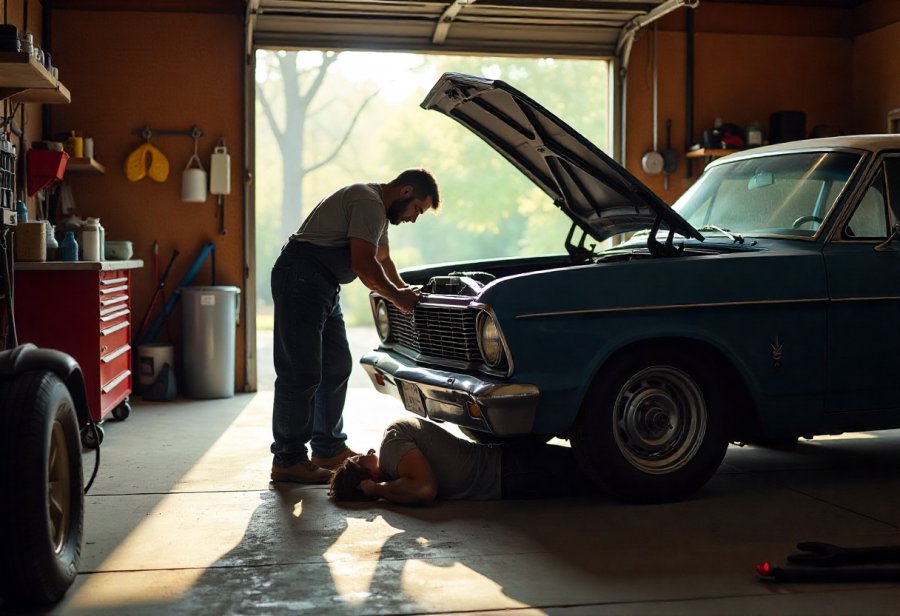
Personalized Care or Technological Edge? Comparing Small and Large Garages for Vehicle Longevity
Small garages often foster strong, long-term relationships with their customers. Because they depend heavily on their reputation within the local community, mechanics tend to know their clients’ driving habits and vehicle histories intimately. This familiarity allows for personalized advice and proactive maintenance, helping to catch potential issues early before they develop into costly repairs. Owners who stick with the same small shop often enjoy consistent, attentive care that supports their vehicle’s longevity over time.
However, the limited access to advanced diagnostic technology in many small garages can be a drawback. While experience and traditional tools are valuable, they may fall short when diagnosing complex electronic or system-wide issues, especially on newer vehicles. Without the latest equipment, some problems might go unnoticed or be addressed less precisely, which could impact the vehicle’s long-term durability. For owners of modern, technologically advanced cars, this gap can sometimes undermine repair quality and longevity.
Large chains benefit from significant investments in state-of-the-art diagnostic tools and standardized procedures. Their technology enables technicians to identify complex issues quickly and accurately, reducing guesswork and improving the durability of repairs. The consistency offered by nationwide warranties and uniform service protocols provides reassurance for drivers who travel or relocate, knowing they’ll receive reliable support wherever they go.
On the downside, the standardized nature of large chains can make the service experience feel impersonal. Customers might see different technicians at each visit, which can hinder the development of trust and detailed understanding of their vehicle’s history. Corporate policies often influence upselling and repair recommendations, sometimes leading to unnecessary services driven more by profit than genuine need. This approach can sometimes compromise the personalized care that’s key to supporting long-term vehicle health.
Both small garages and large chains have distinct advantages influencing long-term vehicle health. Small garages excel in personalized service and local knowledge, which can lead to attentive, tailored care. Yet, their technological limitations may restrict their ability to handle the complexities of modern systems effectively. Conversely, large chains offer technological sophistication, consistency, and broad warranty coverage, making them reliable for more advanced repairs. The best choice depends on your vehicle’s complexity and your preference for personalized versus standardized service.
Choosing the right garage ultimately hinges on your vehicle’s needs and your priorities. For routine maintenance, or if you value a trusted relationship, a reputable small garage can be ideal. For complex diagnostics, electronic issues, or nationwide coverage, a large chain might better support your vehicle’s long-term health. The key is finding a mechanic who combines expertise, honesty, and a genuine commitment to quality.
Inspecting the garage’s technician certifications, such as ASE accreditation, can reveal their commitment to professional standards. Clear, detailed estimates and positive reviews also serve as indicators of reliable service. Visiting in person to assess cleanliness and asking about diagnostic equipment and warranty policies can help ensure you’re choosing a shop equipped to meet your vehicle’s needs.
Ultimately, the decision between a small shop and a large chain involves weighing personal service against technological capability. Both can support long-term vehicle health, provided they prioritize expertise, transparency, and ongoing quality. An informed choice grounded in your vehicle’s requirements and your trust in the mechanic will help keep your car running smoothly for years to come.
Choosing Wisely: Practical Tips for Finding a Garage That Protects Your Car’s Future
Choosing the right garage for your car’s long-term health starts with a few simple but crucial steps. First, look for recognized certifications like ASE (Automotive Service Excellence) or manufacturer-specific credentials. These indicate that the technicians meet industry standards for skill and knowledge, giving you confidence that your vehicle is in capable hands. Don’t hesitate to ask about their certifications and ongoing training—shops that invest in their staff usually prioritize quality work.
Next, check reviews and ask for recommendations from friends or colleagues. Online platforms such as Google, Yelp, and automotive forums can offer honest insights about service quality, honesty, and how well a shop cares for long-term vehicle health. Personal references often reveal more about a mechanic’s trustworthiness and consistency than advertising ever can.
Visiting the garage in person can give you a lot of useful information. Notice if the space is clean and organized—this often reflects professionalism and attention to detail. When speaking with staff, ask about their diagnostic equipment and warranty policies. Modern diagnostic tools are essential for accurately identifying issues, especially on newer models. A shop with up-to-date equipment shows they’re prepared to handle the latest vehicle technology.
Clear communication is key to a good relationship. A reliable mechanic should explain repairs in plain language and provide detailed, written estimates. This transparency helps prevent surprises and ensures you understand what your vehicle needs. Be cautious of shops that push unnecessary services or offer prices that seem too good to be true—they may cut corners or upsell work that isn’t needed, risking your vehicle’s longevity.
Building trust takes time. Be honest about your budget, your vehicle’s history, and your maintenance goals. The more open you are, the better your mechanic can tailor their advice and care. Regular visits and follow-up questions help establish a partnership, making it easier to keep your car running smoothly over the years.
Finally, don’t rush your decision. Compare different garages, ask questions, and see how comfortable you feel with each option. The right mechanic isn’t just someone who fixes your car today—it’s someone who will be a trustworthy partner in maintaining your vehicle’s health for miles to come. Investing time in choosing the right shop now will pay dividends in performance, reliability, and peace of mind down the road.
Future Trends in Car Care: Embracing Technology and Trust for Long-Term Vehicle Health
The auto repair industry is evolving rapidly, with both small garages and large chains embracing new technologies to better serve their customers. Smaller shops are increasingly investing in modern diagnostic tools and digital management systems, enabling them to deliver more precise and tailored care. This shift helps community-focused garages compete with larger players, ensuring they can diagnose and fix complex issues more effectively, which directly benefits vehicle longevity.
Meanwhile, big chains continue to set industry standards by deploying state-of-the-art diagnostic equipment, ongoing technician training, and comprehensive warranty programs. These investments ensure consistent quality across multiple locations, making them reliable choices for drivers who value predictability and broad coverage. As vehicles grow more sophisticated, large chains expand their capabilities to address electronic and systemic problems, helping prevent breakdowns before they happen.
Looking ahead, emerging technologies like advanced computerized diagnostics, telematics, and digital reputation platforms promise to reshape how garages operate and how customers select their service providers. These innovations will make repairs faster, more accurate, and more transparent, reducing guesswork and recurring issues. For vehicle owners, staying informed about these trends can help identify garages that are not just skilled but also forward-thinking and tech-savvy.
As cars become smarter, garages will gain access to real-time data, enabling proactive maintenance and predictive diagnostics. This approach allows mechanics to identify potential problems before they escalate into costly repairs, extending vehicle lifespan and enhancing reliability. Garages that adopt these innovations will stand out by offering personalized, dependable service, even as automotive technology continues to advance.
Reputation management will also become more digital and transparent. Verified online reviews and rating platforms will help customers make more informed choices, fostering higher standards across the industry. This transparency will encourage garages—whether small or large—to uphold honesty and quality, strengthening trust and encouraging better maintenance habits among vehicle owners.
Despite the rapid pace of technological change, core principles like technician expertise, honesty, and consistent service will remain vital. The garages that thrive will be those that continuously invest in staff training, adopt new diagnostic tools, and prioritize genuine customer relationships. Combining innovation with a personal touch ensures long-term trust and vehicle health, no matter the size or structure of the business.
For vehicle owners, these trends highlight the importance of asking the right questions—about diagnostic technology, technician certifications, and warranty coverage—when choosing a service provider. An informed decision now can lead to better maintenance, fewer surprises, and a vehicle that performs reliably for years to come.
In the end, the future of garage services will revolve around a blend of cutting-edge technology and personalized care. Whether you prefer the community trust of a small shop or the technological sophistication of a large chain, the key lies in finding a mechanic who combines expertise, transparency, and a genuine dedication to your vehicle’s well-being. This balanced approach will keep your car running smoothly, mile after mile.
About the Author